
















Introduction
As CBD gains popularity for its calming and therapeutic benefits, you might be wondering if you might build a tolerance to it over time. In other words, can using CBD regularly reduce its effects? And if so, what steps can you take to manage this? Understanding how CBD interacts with the body can help ensure you’re getting the most out of your experience without overdoing it. Also make sure you understand the differences between CBD and cannabis, along with other cannabinoid based products, to make sure you’re buying the right products for your needs.
This article explores the science behind CBD tolerance, signs you might be building one, and effective ways to balance and maximize your CBD usage.
Understanding CBD Tolerance: What Is It?
When we talk about “tolerance,” we’re referring to the body’s adaptation to a substance after repeated use, which may lead to needing a higher dose to achieve the same effect. This concept is well-known with substances like caffeine and THC. However, CBD tolerance works differently due to how it interacts with the body’s endocannabinoid system (ECS), which plays a pivotal role in regulating mood, stress, and even sleep cycles.
You are more likely to develop some form of tolerance if you are using cannabinoids as part of your daily routine, such as CBD for improved sleep.
How CBD Interacts with the Endocannabinoid System (ECS)
CBD doesn’t bind directly to the ECS receptors as THC does; instead, it acts by modulating the ECS to maintain balance, a phenomenon called “endocannabinoid tone.” This non-direct interaction suggests that CBD may not create the typical tolerance build-up associated with other substances. Still, some users report a reduced effect after prolonged use, leading researchers to investigate the underlying reasons and potential solutions.
Can You Really Build a Tolerance to CBD?
Based on the current evidence, CBD tolerance isn’t as straightforward as tolerance to other compounds. Here are the main points that emerge from the research and consumer experiences:
- Reverse Tolerance Possibility: Unlike THC, CBD may produce a “reverse tolerance.” This means that over time, users might need less CBD rather than more to experience similar effects. The theory is that CBD may naturally support ECS function, which reduces the body’s need for external cannabinoids.
- Limited Research Evidence: While more research is needed, initial studies and user feedback suggest that CBD’s low risk for tolerance stems from its unique mechanism of action on the ECS. However, individual experiences vary based on dosage, frequency of use, and personal biochemistry source: National Library of Medicine.
- Individual Variations: Some users notice they need to adjust their CBD dose after a while, possibly due to factors like metabolic changes, lifestyle, or the specific reason for taking CBD.
Signs You May Be Developing a Tolerance to CBD
Although it’s not common, there are signs that may indicate you’re developing a form of tolerance to CBD. Recognizing these can help you adjust your intake as needed.
- Reduced Effectiveness: If you’ve noticed that your usual dose doesn’t have the same impact on sleep, relaxation, or mood, it could mean your body is adjusting to the presence of CBD.
- Increasing Dosage: If you find yourself wanting to increase your CBD dose for the same effects, this might be a sign of tolerance.
- Changes in Product Choice: Switching from one CBD product type to another, such as from oil to gummies or capsules, can sometimes offer renewed effectiveness. This may relate to the way different CBD forms are metabolized in the body.
Tips to Manage and Prevent CBD Tolerance
Navigating CBD tolerance can feel challenging, but there are practical steps you can take to maintain its effectiveness over time.
1. Adjust Dosage Gradually
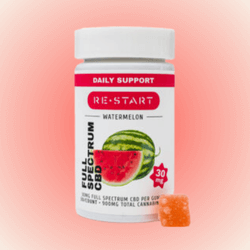
- If you’re noticing diminished effects, consider adjusting your dose slightly or taking a short break. A few days off from CBD might help the ECS reset, allowing you to return to your usual dose with the same level of effectiveness. It’s easier to manage your dosage with CBD gummies and oil vs smokables.
2. Try Different CBD Products
- Switching up product types, like alternating between full-spectrum, broad-spectrum, and CBD isolates, can help avoid potential tolerance build-up. Full-spectrum products contain a broader range of cannabinoids, which some users find helpful due to the “entourage effect” – where all components work together to boost efficacy.
3. Cycle Your CBD Usage
- Cycling CBD means taking it regularly for a set period, followed by a short break. This approach allows the ECS to reset, which can prevent adaptation to a fixed CBD level over time.
4. Focus on Quality Over Quantity
- Always opt for high-quality, lab-tested CBD products. High-quality products are not only more effective but also reduce the risk of needing to increase doses due to contaminants or inconsistencies in formulation. Reputable brands often provide certificates of analysis (COAs) for transparency.
5. Monitor Your Progress
- Consider keeping a journal to track your CBD use, dosage, and effects. This can help you stay in tune with how your body responds to different doses and identify any need for adjustments.
FAQs on CBD Tolerance
A: Research suggests that high doses might be more likely to lead to tolerance than smaller, more balanced doses. However, the risk of tolerance with CBD remains much lower than with THC or other substances.
A: If you’re consistently needing to increase your dose to achieve the same effect, a short break may help reset your body’s response.
A: Switching to a new brand isn’t necessarily a solution for tolerance, but trying products with varied cannabinoid profiles can sometimes make a difference.
A: While there is limited research on CBD tolerance, preliminary studies and anecdotal reports suggest it’s far less likely than with other cannabinoids. However, ongoing studies continue to investigate this topic.
Conclusion: Understanding CBD Tolerance for Better Wellness
Navigating the vibrant landscape of CBD usage means understanding how your body uniquely responds to it. While the current evidence suggests that developing a strong tolerance to CBD is uncommon, individual experiences vary. By paying attention to your body’s signals, adjusting your approach, and considering a short break if needed, you can continue to enjoy the potential benefits of CBD without significant risk of tolerance.
The most important thing is to listen to your body, choose quality products, and consult healthcare professionals if you have concerns about tolerance or long-term CBD use. With the right balance, CBD can remain a valuable tool for wellness, supporting a calm and balanced lifestyle.
If you’re new to CBD, check out our beginners guide to CBD gummies to learn more about getting started, safely.