










The ABCs of THC, CBD & Beyond
CANNABIS 101
If you’re new to cannabis—or simply canna-curious—education is one of our core values. We’re here to guide you through the world of plant-based wellness with clear, trusted information. Our Cannabis 101 guide below is a great place to start, breaking down how cannabinoids interact with the body’s endocannabinoid system. If you have medical or product-specific questions, we also partner with Leaf411, a cannabis nurse-staffed hotline, to provide reliable, alternative resources for our customers and the canna-curious community.
THE BASICS
Cannabinoids are naturally occurring compounds found in the cannabis plant that interact with the body’s endocannabinoid system (ECS)—a regulatory system responsible for helping maintain balance across functions like mood, sleep, stress response, appetite, focus, recovery, and overall wellness.
There are over 100 identified cannabinoids, including CBD (cannabidiol), Delta-9 THC, Delta-8 THC, THCA, CBG, CBN, and THCV. Each cannabinoid interacts with the ECS in its own way, which is why different cannabinoids are associated with different effects and experiences.
Cannabis interacts with the endocannabinoid system (ECS), a regulatory network in the body that helps maintain balance across functions like mood, sleep, stress response, appetite, focus, and recovery.
Cannabinoids—including CBD, THC, CBG, CBN, and others—support the ECS in different ways. Some interact directly with receptors, while others influence how the body produces or processes its own endocannabinoids. Because everyone’s ECS is unique, the effects of cannabis can vary from person to person.
Factors like dosage, product type, method of use, and terpene profile all play a role in how cannabinoids feel. This is why different products are often associated with experiences like calm, relaxation, focus, sleep, energy, creativity, or a noticeable buzz.
At RESTART, we provide third-party lab testing and clear product guidance so you can explore cannabinoids responsibly and find what works best for you.
Cannabis and its many cannabinoids—such as CBD, THC, CBG, CBN, and THCV—have been widely studied for their potential to support balance and everyday wellness. These compounds interact with the body’s endocannabinoid system, which helps regulate functions like mood, sleep, stress response, focus, appetite, and recovery. People explore cannabinoids for a range of experiences, including calm, relaxation, focus, energy, sleep support, relief, creativity, or a noticeable buzz, depending on the cannabinoid, dose, and formulation.
Research on cannabis continues to evolve, with thousands of peer-reviewed studies examining cannabinoids and terpenes. While many findings are promising, some studies are conducted in laboratory or animal models and may not directly translate to human outcomes. For credible third-party research, resources like PubMed and Google Scholar are helpful starting points—especially when reviewing studies published within the last five years.
RESTART offers a wide range of hemp-derived cannabinoid products designed to help you shop by how you want to feel, not just by ingredient. Our Shop by Effects guides—Relax, Calm, Focus, Sleep, Energy, Creativity, Relief, and Buzz—make it easy to explore products based on desired experience. Each product is formulated with specific cannabinoid profiles and clearly labeled so you can choose with confidence.
We carry multiple consumption methods to fit different lifestyles and needs, including edibles, drinks, oils and capsules, topicals, and smokables like vape and flower. Edibles and beverages are pre-dosed and long-lasting but take more time to kick in, while oils and capsules offer more precise, consistent dosing and are often used as part of a daily wellness routine. Smokables and inhalables provide faster onset due to rapid absorption, and topicals are designed for targeted, non-intoxicating use. Because onset time and duration vary by format and individual, we encourage starting low and exploring gradually to find what works best for your body and goals.
LOCAL SISTER OWNED
- Behind the Brand.
- Our Story – The Torabi sisters, were born & raised in Austin and founded RESTART CBD in 2018, however, our family has been hand-crafting and personally using CBD products since 2016.
- What Makes RESTART Different
- Our CBD. Your Health!
- PRESS
- Two Sisters Light up the Cannabis Scene
- Five Things to Know Before YOU BUY CBD
- Follow us on instagram @restartcbd and youtube.
- Hemp Product Notice:
- All of our products are made from industrial grade hemp.
- Hemp and cannabinoids work with the body’s endocannabinoid system.
- WARNING: If you suspect that you will be drug tested, please contact your employer/doctor/parole officer/etc. prior to using hemp Products.
YOUR cannabis JOURNEY
Start with how you want to feel, not just the ingredient. At RESTART, we recommend shopping by effect—Relax, Calm, Focus, Sleep, Energy, Creativity, Relief, or Buzz. From there, consider the cannabinoid profile, product type, and your experience level.
Different cannabinoids interact with the body in unique ways, and combining cannabinoids can create more balanced, nuanced effects.
Cannabis can be used in several formats, each offering a different experience:
Edibles & drinks – longer-lasting effects with a slower onset
Oils & capsules – precise, consistent dosing for routine use
Topicals – targeted, non-intoxicating application
Choosing a format depends on your lifestyle, desired onset time, and how long you want the effects to last.
Finding the right serving depends on the cannabinoid, product type, and your individual tolerance. If you’re new to cannabis or THC edibles, we recommend starting low and increasing gradually. At RESTART, we created our Find Your Dose guide to help you navigate dosing—from microdosing (1–2mg THC) for beginners to higher servings (20mg+ THC) for more experienced users.
Our guide walks through how to choose the right milligrams based on your lifestyle and goals, whether you’re seeking relaxation, focus, creativity, or deeper relief. It also explains onset times, duration of effects, and why patience matters—especially with edibles and drinks. Exploring dosing intentionally helps create a safer, more enjoyable, and more consistent cannabis experience.
Onset time depends on the method of use and everyone’s tolerance and biochemistry varies so this is a rough guide:
Inhalables: minutes
Oils: 15–45 minutes
Edibles & beverages: 45–120 minutes**
**Duration can also vary, with edibles typically lasting longer than inhaled formats.
Effects can vary based on dosage, cannabinoid and terpene profile, method of use, timing, food intake, and your body’s unique endocannabinoid system.
This is normal. Cannabis is not one-size-fits-all, and your experience may change over time.
Many people find the most balanced results with consistent, intentional use, rather than sporadic or excessive servings. Supporting the endocannabinoid system over time may help your body respond more efficiently. As always, listen to your body and adjust as needed.
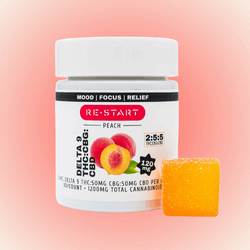
Yes—many people choose to combine cannabinoids to create more balanced or tailored effects. In fact, RESTART offers products formulated with intentional cannabinoid blends, such as CBD + THC, THC + CBG, THC + CBN, CBD + CBG, and CBD + CBN, designed to support different experiences and effect goals.
When combining products or cannabinoids, it’s important to start slowly and be mindful of total servings—especially with products that contain THC. Blends can influence both onset and duration, and individual responses vary. Tracking how you feel and spacing out servings can help you find what works best for your body.
TYPES OF Cannibinoids
Cannabinoids interact with the body in different ways, which is why products can feel so different. Here’s a simplified breakdown of common cannabinoid types and formulations:
Full-Spectrum Cannabis contains multiple cannabinoids, terpenes, and plant compounds, including trace amounts of THC (within legal limits). These formulas are often associated with more well-rounded effects due to the entourage effect.
Broad-Spectrum Cannabis includes multiple cannabinoids and terpenes but typically removes THC. Effects may still feel layered without THC exposure.
Isolate (Single Cannabinoid) products contain one cannabinoid—such as CBD—with no other plant compounds. These are often chosen by those who want a more targeted, THC-free option.
Individual cannabinoids also offer distinct experiences:
CBD – non-intoxicating, commonly associated with calm and balance
CBG – often linked to focus and daytime clarity
CBN – commonly associated with rest and sleep support
CBC – a non-intoxicating cannabinoid studied for overall wellness support
THC (Delta-9 or Delta-8) – psychoactive cannabinoids associated with a noticeable buzz
Research suggests cannabinoids may work best together, but responses vary by person. We encourage starting low, reading labels carefully, and exploring intentionally to find what works best for your body and goals.
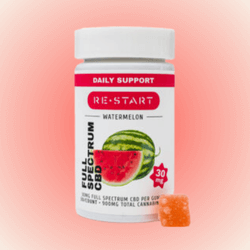
CBD, short for cannabidiol, is a naturally occurring cannabinoid found in the cannabis plant—most commonly sourced from hemp. CBD is non-intoxicating, meaning it does not produce the euphoric “high” associated with THC. Instead, CBD is often used to support balance, relaxation, and everyday wellness without impairment.
CBD interacts with the body’s endocannabinoid system (ECS), which helps regulate functions like mood, sleep, stress response, focus, and recovery. While individual experiences vary, many people choose CBD as a gentle, plant-based option that can be used alone or alongside other cannabinoids to create more balanced effects.
CBG, short for cannabigerol, is a naturally occurring cannabinoid found in the cannabis plant. Often referred to as the “mother cannabinoid,” CBG is the compound from which other cannabinoids like CBD and THC are formed as the plant matures. CBG is non-intoxicating, meaning it does not produce a psychoactive high.
CBG interacts with the body’s endocannabinoid system (ECS) in a way that is often associated with focus, clarity, and daytime balance. Research into CBG is still emerging, but it has been studied for its potential role in supporting overall wellness, including areas like eye health and maintaining balance in the body. Many people choose CBG for more alert, functional effects compared to CBD.
CBG can be used on its own or combined with other cannabinoids—such as CBD or THC—to create more tailored experiences. Because CBG occurs naturally in smaller amounts, products containing CBG are often carefully formulated for both potency and flavor.
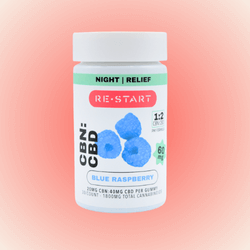
CBN, short for cannabinol, is a naturally occurring cannabinoid found in the cannabis plant. CBN forms as THC ages and oxidizes over time. It is considered mildly psychoactive, but most people do not experience a noticeable “high” at typical servings.
CBN is most commonly associated with rest, relaxation, and nighttime use, which is why it’s often found in sleep-focused cannabinoid blends. CBN interacts with the body’s endocannabinoid system (ECS) and is frequently combined with other cannabinoids—such as CBD or THC—to support more balanced, calming effects.
Delta-9 THC (delta-9-tetrahydrocannabinol) is a naturally occurring cannabinoid found in the cannabis plant. It is known for its noticeable psychoactive effects, which may influence mood, perception, and sensory awareness depending on the serving size and individual tolerance.
Delta-9 THC interacts with the body’s endocannabinoid system (ECS), particularly receptors involved in regulating balance across stress response, relaxation, appetite, and overall experience. When derived from hemp and formulated within federal legal limits (0.3% Delta-9 THC by dry weight), Delta-9 THC may be included in products such as gummies and beverages. Effects can vary based on product type, dose, and method of use, which is why mindful serving and responsible use are encouraged.
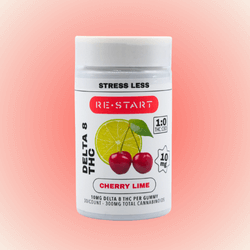
Delta-8 THC (delta-8-tetrahydrocannabinol) is a naturally occurring cannabinoid found in the cannabis plant in very small amounts. It is chemically similar to Delta-9 THC, but is commonly described as producing milder, more functional psychoactive effects for many people.
Delta-8 THC interacts with the body’s endocannabinoid system (ECS) and is often chosen by those looking for a more subtle experience. When derived from hemp and formulated in compliance with federal legal guidelines, Delta-8 THC may be found in products like edibles and vapes. As with all cannabinoids, effects vary by individual, dose, and method of use, so starting low and using intentionally is recommended.
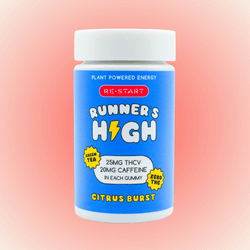
THCV, short for tetrahydrocannabivarin, is a naturally occurring cannabinoid found in the cannabis plant, typically in much smaller amounts than CBD or THC. THCV is structurally similar to THC but interacts with the body’s endocannabinoid system (ECS) in a distinct way, which can result in a different experience.
THCV is often associated with clarity, focus, and energy, making it a cannabinoid many people explore for daytime use. It is known for producing more targeted effects at lower servings and may feel more functional compared to other cannabinoids. THCV products are commonly formulated on their own or blended with other cannabinoids to support balanced, goal-oriented experiences. As with all cannabinoids, individual responses vary based on dose, formulation, and personal tolerance.
THCA, short for tetrahydrocannabinolic acid, is a naturally occurring cannabinoid found in raw and unheated cannabis and hemp plants. It is the acidic precursor to THC and exists before heat or processing changes its chemical structure. In its original form, THCA is non-intoxicating.
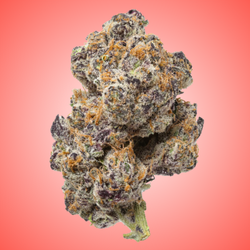
THCA interacts with the body’s endocannabinoid system (ECS) in a different way than THC and is commonly found in hemp flower and concentrates that meet federal guidelines. THCA products are often explored for their unique cannabinoid profile and are typically chosen by consumers seeking plant-forward options without immediate psychoactive effects. As with all cannabinoids, experiences vary based on product type, method of use, and individual response.
other faq's
Hemp-derived cannabis products are federally legal in the U.S. when they comply with the 2018 Farm Bill, including containing 0.3% or less Delta-9 THC by dry weight. Cannabis laws vary by state and continue to evolve, so we encourage customers to stay informed about local regulations before purchasing or traveling with cannabinoid products.
Hemp is a type of cannabis, but not all cannabis is hemp. Cannabis is the plant family, while hemp is a legally defined variety of cannabis that contains 0.3% or less Delta-9 THC by dry weight under U.S. federal law. Marijuana is another variety of cannabis that contains higher levels of THC and is regulated differently at the state level.
At RESTART, we focus on hemp-derived cannabis products, which means our cannabinoids come from legally compliant hemp and meet federal guidelines while still offering a wide range of effects and experiences.
Sativa, Indica, and Hybrid are traditional terms used to describe cannabis plant varieties, primarily in relation to flower and full-plant products. Historically, these labels were used to indicate differences in plant structure and the general type of experience people reported. Today, they are best understood as broad categories, not precise predictors of effects.
For many consumers, terpene profiles and cannabinoid content matter more than the label itself. Two products both labeled “sativa” can feel very different depending on their terpene makeup and cannabinoid balance. This is why modern cannabis education often focuses on terpenes and effects rather than strain names alone.
These terms typically apply to flower and full-spectrum plant products. With edibles, beverages, capsules, and oils, the experience is driven by the cannabinoid formulation and added terpene blends—if included. Unless an edible specifically notes sativa-leaning or indica-leaning terpenes, the traditional strain labels are less relevant. For a more consistent experience, we recommend choosing products based on Shop by Effects rather than strain name.
Terpenes are naturally occurring aromatic compounds found in many plants, including cannabis. They’re responsible for the plant’s distinct smell and flavor—from citrus and pine to floral and earthy notes. In cannabis, terpenes also help shape the overall experience by influencing how cannabinoids interact with the body, a concept often referred to as the entourage effect.
- Limonene – Citrus-forward aroma; commonly associated with uplifting, bright experiences
Pinene – Pine-like scent; often linked to clarity and alertness
Myrcene – Earthy and musky; commonly associated with relaxation
Linalool – Floral and lavender-like; often found in calming formulations
Caryophyllene – Spicy and peppery; unique for interacting with ECS receptors
Humulene – Herbal and earthy; found in hops and cannabis
Terpinolene – Fresh and complex; often used in energetic or creative blends
While terpenes don’t act like cannabinoids, they can influence mood, sensation, and overall effect, which is why products with similar cannabinoid content can feel different. Understanding terpene profiles can help you choose products that better align with how you want to feel.
We are not able to make recommendations or guarantees regarding drug test results. Drug tests typically screen for THC or its metabolites, and even products labeled THC-free may carry some risk depending on the test, frequency of use, and individual metabolism. If drug testing is a concern, we recommend additional research or consulting your employer or testing provider before consuming any cannabis products.