













CBD Myths Debunked: 5 Common Misconceptions About CBD Products
Mythbusters: Top 5 CBD Myths Debunked with Facts
When you’re first getting started with hemp derived cannabis products, it can feel impossible to figure out where to start. This is especially true when there’s so much conflicting information floating around. From social media claims to outdated articles, misconceptions about CBD continue to spread, leaving consumers confused about what’s fact and what’s fiction.
As Austin’s trusted cannabis dispensary since 2018, we’ve heard every CBD myth in the book. Whether you’re new to cannabinoids or looking to separate truth from hype, understanding the real science behind CBD can help you make informed decisions about your wellness journey.
Let’s tackle the most persistent CBD myths head-on and set the record straight with current research and factual information.
Myth #1: All CBD Products Will Make You High
The Reality: CBD (cannabidiol) does not produce psychoactive effects or make you feel “high.”
This might be the most widespread misconception about CBD, and it’s understandable why people believe it. CBD comes from the same plant family as marijuana, but that’s where the similarities end when it comes to psychoactive effects.
The “high” feeling associated with cannabis comes from THC (tetrahydrocannabinol), not CBD. In fact, CBD can actually counteract some of THC’s psychoactive effects. Hemp-derived CBD products contain less than 0.3% THC by federal law, which isn’t enough to produce any intoxicating effects.
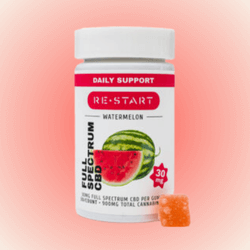
However, some confusion arises with full-spectrum CBD products, which contain trace amounts of THC alongside other cannabinoids. While these trace amounts won’t get you high, they can contribute to what researchers call the “entourage effect” – where cannabinoids work together potentially enhancing each other’s benefits.
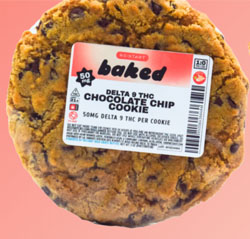
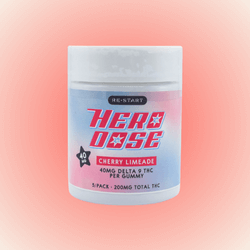
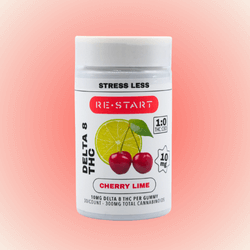
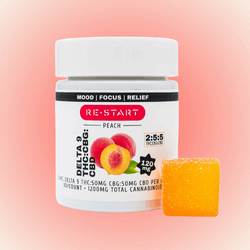
At Restart CBD, we offer various options including Delta-8 THC products and Delta-9 THC gummies for those who do want mild psychoactive effects, alongside traditional CBD products for those who don’t.
The Science: Research published by Harvard Health confirms that CBD “does not cause a high and is not addictive.” The World Health Organization also states that CBD exhibits no potential for abuse or dependence.
Myth #2: CBD Is Just Snake Oil With No Real Benefits
The Reality: Scientific research supports CBD’s effectiveness for specific conditions, though claims vary widely in validity.
The pendulum has swung from “CBD cures everything” to “CBD does nothing,” but the truth lies somewhere in between. While CBD isn’t a miracle cure-all, legitimate research shows promise for several conditions.
The FDA has approved Epidiolex, a CBD-based medication for treating severe forms of epilepsy in children. This represents the gold standard of scientific validation – controlled clinical trials proving efficacy for specific medical conditions.
Research also suggests potential benefits for anxiety, sleep issues, and certain types of chronic pain, though more studies are needed to establish definitive therapeutic protocols. The key is understanding that not all CBD claims are created equal, and the quality of the product matters significantly.
What The Research Shows:
- Clinical trials demonstrate CBD’s effectiveness for childhood epilepsy
- Preliminary studies suggest anxiety-reducing properties
- Some evidence supports sleep quality improvements
- Research is ongoing for chronic pain management
The quality and consistency of CBD products vary dramatically across the market. Third-party lab testing ensures you’re getting what’s listed on the label, which is why reputable brands like those we carry provide complete lab reports for every batch.
Myth #3: CBD Is Completely Unregulated and Unsafe
The Reality: While the CBD market has regulatory gaps, legitimate products follow strict safety and testing protocols.
This myth contains a grain of truth that deserves context. The CBD industry does face regulatory challenges, with the FDA still developing comprehensive guidelines for non-prescription CBD products. However, this doesn’t mean quality CBD products are unsafe or unregulated.
Reputable CBD companies follow Good Manufacturing Practices (GMP) and conduct extensive third-party testing for potency, pesticides, heavy metals, and microbials. Hemp cultivation is regulated under the 2018 Farm Bill, requiring compliance with specific THC limits and cultivation standards.
The real safety concern isn’t with regulated, tested CBD products – it’s with products that skip testing or make unsubstantiated medical claims. This is why choosing established, transparent brands matters.
Safety Factors to Consider:
- Third-party lab testing for contaminants and potency
- Clear labeling with accurate cannabinoid profiles
- Proper manufacturing facilities and practices
- Transparent sourcing and extraction methods
At Restart CBD, every product undergoes rigorous third-party testing, and we provide complete lab reports so you know exactly what you’re consuming.
Myth #4: CBD Is Addictive Like Other Cannabis Products
The Reality: CBD has no addictive properties and may actually help with addiction recovery.
This myth stems from CBD’s association with cannabis, but addiction potential relates specifically to THC, not CBD. The World Health Organization’s Expert Committee on Drug Dependence concluded that CBD “exhibits no potential for abuse or dependence.”
Unlike THC, CBD doesn’t activate the brain’s reward pathways that lead to addiction. In fact, some research suggests CBD might help people recovering from various addictions by reducing cravings and anxiety associated with withdrawal.
The confusion often comes from people discussing “cannabis addiction,” which refers specifically to high-THC marijuana use, not CBD products. Even with THC, addiction rates are relatively low compared to substances like alcohol or tobacco.
Key Distinctions:
- CBD doesn’t create tolerance (needing more for the same effect)
- No withdrawal symptoms when stopping CBD use
- Doesn’t trigger reward pathways associated with addiction
- May actually support addiction recovery efforts
If you’re concerned about THC content, our CBD oils provide the benefits of cannabinoids without psychoactive effects.
Myth #5: All CBD Products Are the Same, So Price Doesn’t Matter
The Reality: CBD product quality, potency, and effectiveness vary significantly across brands and price points.
This myth can lead to disappointing experiences and wasted money. Just like any supplement or wellness product, CBD quality depends on multiple factors that directly impact effectiveness and safety.
Cheaper CBD products often use inferior extraction methods, skip testing, or contain less CBD than advertised. Some use synthetic CBD or fail to remove harmful contaminants during processing. These shortcuts result in products that may be ineffective or potentially unsafe.
Quality CBD products require significant investment in proper extraction equipment, testing, and quality control. While you don’t need to buy the most expensive option, extremely cheap CBD is usually too good to be true.
Quality Indicators:
- CO2 or ethanol extraction methods (avoid hydrocarbon extraction)
- Complete third-party lab reports showing potency and purity
- Transparent sourcing from reputable hemp farms
- Consistent customer reviews and established brand reputation
- Clear labeling with accurate serving information
Price vs. Value Considerations:
- Higher-quality extraction methods cost more but yield cleaner products
- Third-party testing adds cost but ensures safety and accuracy
- Organic cultivation costs more but reduces pesticide exposure
- Established brands invest in quality control and customer education
For example, our Delta-8 oil undergoes complete testing and uses quality extraction methods, which reflects in both the price and effectiveness compared to cheaper alternatives.
Understanding the Real CBD Landscape
CBD isn’t magic, but it’s not worthless either. The key is approaching it with realistic expectations and choosing quality products from reputable sources.
Current research suggests CBD works best for specific conditions rather than as a general wellness cure-all. Individual responses vary significantly, and what works for one person may not work for another. Starting with lower doses and gradually increasing allows you to find what works for your specific needs.
The regulatory landscape continues evolving, with clearer guidelines likely coming in the next few years. Until then, consumer education and choosing established, transparent brands remains your best protection.
Making Informed Decisions About CBD
When considering CBD products, focus on these evidence-based factors:
Research-Backed Applications:
- Epilepsy (FDA-approved medication available)
- Anxiety symptoms (preliminary research promising)
- Sleep quality issues (some supporting evidence)
- Certain inflammatory conditions (ongoing research)
Quality Markers:
- Complete third-party lab testing
- Transparent extraction and sourcing information
- Accurate labeling and dosing information
- Established company with verifiable reputation
Realistic Expectations:
- Effects vary significantly between individuals
- Benefits may be subtle rather than dramatic
- Consistency of use often affects outcomes
- Quality products cost more than bottom-shelf options
The most important takeaway? Don’t believe everything you read about CBD, positive or negative. Stick to reputable sources, choose quality products, and consult healthcare professionals for specific medical concerns.
Frequently Asked Questions
1. Can CBD show up on a drug test?
Pure CBD isolate products should not trigger positive drug test results. However, full-spectrum CBD products contain trace amounts of THC (less than 0.3%) that could potentially accumulate with heavy use and cause a positive test. If drug testing is a concern, choose CBD isolate products or consider THC-free CBD options.
2. How long does it take for CBD to work?
This depends on the consumption method. Sublingual oils typically work within 15-30 minutes, while edibles can take 30-120 minutes to take effect. Topical applications may provide localized effects within minutes. Individual metabolism, body weight, and product quality all affect timing.
3. Can I take CBD with prescription medications?
CBD can interact with certain medications by affecting liver enzymes that process drugs. Always consult your healthcare provider before combining CBD with prescription medications, especially blood thinners, seizure medications, or heart medications.
4. Is hemp-derived CBD legal everywhere in the United States?
Hemp-derived CBD containing less than 0.3% THC is federally legal under the 2018 Farm Bill. However, some states have additional restrictions or regulations. Always check local laws before purchasing or traveling with CBD products.
5. What’s the difference between CBD and Delta-8 or Delta-9 THC products?
CBD is non-psychoactive and won’t make you feel “high.” Delta-8 THC provides mild psychoactive effects, often described as relaxing without anxiety. Delta-9 THC is the traditional cannabis compound that produces stronger psychoactive effects. Each serves different needs and preferences.