

















Dealing with Brain Fog and How CBD and THC Can Help

At RESTART CBD and THC, we know that mental clarity is essential for a fulfilling life. Many people struggle with “brain fog,” a frustrating condition that can make even simple tasks feel overwhelming. Whether it’s trouble concentrating, forgetfulness, or feeling mentally sluggish, brain fog can interfere with work, relationships, and overall well-being.
Emerging research suggests that cannabinoids like CBD (cannabidiol) and THC (tetrahydrocannabinol) may play a role in alleviating cognitive dysfunction. While these compounds are widely recognized for their effects on pain and relaxation, their potential benefits for focus and brain function are gaining attention.
When you’re looking at using CBD or THC to reduce brain fog for work, keep in mind company policies on THC use. If your company drug tests, even legal THC products will show up as a positive, and may cause complications, or be against company policy.
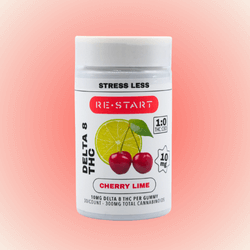
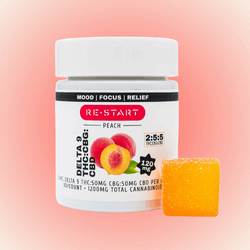
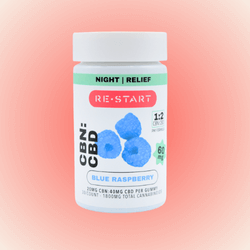
When looking at using cannabinoids to reduce brain fog, people often choose CBD Gummies as a discreet way to consume these products.
What is Brain Fog?
Brain fog isn’t a medical diagnosis but rather an umbrella term for symptoms affecting cognitive function. Common causes include:
- Stress and Anxiety: Chronic stress releases cortisol, a hormone that can impair memory and cognitive performance over time.
- Lack of Sleep: Sleep deprivation can disrupt neuroplasticity, making it harder to focus and retain information.
- Hormonal Changes: Fluctuations in hormones, such as during menopause or thyroid dysfunction, can contribute to brain fog.
- Nutrient Deficiencies: Deficiencies in B vitamins, omega-3 fatty acids, or iron can impact brain function.
- Inflammation: Chronic inflammation, often linked to conditions like autoimmune disorders or poor diet, can impair cognitive abilities.
Rather than masking the symptoms, it’s crucial to address the underlying causes. This is where natural remedies like CBD and THC are being explored for their potential role in cognitive support. Just remember, CBD and THC products are not miracle drugs, and should not be treated as a medication, try them out to see if they help, and always consult a medical professional if you are currently taking other medications.
The Endocannabinoid System’s Role in Brain Function
The endocannabinoid system (ECS) is a complex network of receptors and neurotransmitters that regulate various bodily functions, including:
- Memory and learning
- Mood regulation
- Sleep cycles
- Immune response
Cannabinoids like CBD and THC interact with ECS receptors, particularly CB1 and CB2 receptors, which are abundant in the brain and central nervous system. This interaction may have therapeutic effects on cognition and mental clarity.
How CBD May Help with Brain Fog
CBD is a non-psychoactive compound derived from cannabis. Research suggests that CBD may support brain function through the following mechanisms:
1. Reducing Anxiety and Stress
Chronic stress is one of the most common contributors to brain fog. CBD has been studied for its anxiolytic (anxiety-reducing) effects. A 2019 study found that CBD altered brain activity in regions associated with stress and anxiety, such as the amygdala and prefrontal cortex [source].
2. Promoting Neuroprotection
CBD has been shown to have neuroprotective properties. A study published in Frontiers in Science Direct suggested that CBD may support brain plasticity and neurogenesis (the growth of new brain cells) [source].
3. Supporting Sleep Quality
Since sleep is essential for cognitive function, improving sleep quality can indirectly reduce brain fog. CBD may help regulate sleep cycles and reduce insomnia, according to a 2019 study [source].
THC’s Impact on Cognitive Function
Unlike CBD, THC is psychoactive, meaning it produces the “high” associated with cannabis use. Its effects on cognition are complex and depend on factors such as dosage and individual response.
1. Enhancing Neurogenesis
Research suggests that THC, particularly at lower doses, may promote neurogenesis in the hippocampus—a brain region crucial for memory and learning [source].
2. Modulating Dopamine Levels
THC interacts with dopamine receptors, which can enhance motivation and focus in small amounts. However, high doses may lead to short-term memory impairment.
3. Alleviating Chronic Pain and Inflammation
Pain and inflammation can contribute to mental fatigue and cognitive dysfunction. THC has demonstrated anti-inflammatory properties, which may indirectly support cognitive health by reducing systemic inflammation [source].
CBD vs. THC: Which One is Better for Brain Fog?
The best option depends on the individual’s specific needs:
- CBD is ideal for those looking to reduce anxiety, support neuroprotection, and improve sleep without psychoactive effects.
- THC may be beneficial for those dealing with pain, inflammation, or low motivation, but should be used cautiously to avoid potential cognitive impairment at higher doses.
The Entourage Effect: Combining CBD and THC
Some evidence suggests that combining CBD and THC can create an “entourage effect,” where the compounds work synergistically to enhance benefits while minimizing drawbacks. For example, CBD may counteract some of the anxiety-inducing effects of THC, leading to a more balanced experience.
How to Use CBD and THC for Brain Fog
If you’re interested in using cannabinoids for mental clarity, consider the following tips:
- Start with a Low Dose: Begin with a small amount and gradually adjust as needed.
- Choose the Right Ratio: Products with balanced CBD-to-THC ratios (such as 1:1 or 2:1) may offer cognitive benefits without excessive psychoactivity.
- Opt for Full-Spectrum Products: Full-spectrum CBD products contain additional cannabinoids and terpenes that may enhance therapeutic effects.
- Use in a Controlled Environment: If trying THC for the first time, do so in a setting where you feel comfortable and can monitor its effects.
Legal Considerations
In Texas and many other states, hemp-derived products containing less than 0.3% THC are legal under federal law. However, THC regulations vary, so it’s essential to check local laws before purchasing or using cannabis products.
Final Thoughts
Brain fog can be frustrating, but natural options like CBD and THC may offer support for cognitive function. While research is still evolving, preliminary findings suggest that these cannabinoids may help with focus, stress reduction, and overall brain health.
At Restart CBD, we offer high-quality, lab-tested CBD and legal THC products designed to support wellness. Explore our selection and find the right option for your needs.
FAQs
1. Can CBD completely eliminate brain fog?
CBD may help alleviate symptoms of brain fog by reducing anxiety, improving sleep, and supporting neuroprotection, but individual results may vary.
2. Will THC make brain fog worse?
At high doses, THC may temporarily impair memory and focus. However, low doses or balanced CBD-to-THC products may offer cognitive benefits.
3. How long does it take for CBD to work for brain fog?
Effects vary depending on factors like dosage, metabolism, and method of consumption. Some people notice improvements within an hour, while others may take several days of consistent use.
4. Are there any side effects of using CBD or THC for brain fog?
CBD is generally well-tolerated, but some may experience drowsiness or dry mouth. THC may cause temporary memory impairment or increased heart rate, especially at high doses.
5. What is the best way to consume CBD for brain fog?
CBD oils, tinctures, and capsules offer steady effects, while vapes or edibles provide quicker onset. Choosing a method depends on personal preference and desired duration of effects.