










FAQ's on Hemp, CBD, and THC: Legality, Safety, and Benefits
What’s the Difference Between Hemp and Cannabis?
Hemp and marijuana both belong to the Cannabis sativa species. The main distinction lies in THC content:
Hemp contains less than 0.3% THC, meaning it won’t get you high.
Marijuana contains higher THC levels and can produce psychoactive effects.
Understanding this is key to navigating hemp-derived wellness products like CBD oils, gummies, and vapes.
Can Hemp Get You High?
No. Because hemp contains only trace amounts of THC (less than 0.3%), it won’t produce the “high” associated with cannabis. This makes hemp-derived CBD a popular option for people seeking therapeutic benefits without psychoactivity.
What Is CBD and How Is It Different from THC?
CBD (Cannabidiol) is a non-psychoactive compound found in cannabis.
THC (Tetrahydrocannabinol) is the compound responsible for the high.
CBD is often used for stress, anxiety, inflammation, and sleep support, without impairing cognitive function.
Is CBD Safe?
In general, CBD is considered safe, especially when sourced from reputable companies that provide:
Third-party lab tests
Certificates of Analysis (COAs)
Transparent labeling
Always check for these to avoid products with contaminants or misleading THC levels.
Will CBD Show Up on a Drug Test?
It can, especially if you’re using full-spectrum CBD products that contain trace amounts of THC. Over time, small amounts of THC may build up in your system and trigger a positive drug test.
Is CBD Legal in the U.S.?
Yes, but it depends. The 2018 Farm Bill legalized hemp and hemp-derived cannabinoids on the federal level, but state laws vary:
Some states restrict or ban certain cannabinoids like Delta-8 THC.
Others regulate how CBD products can be marketed or sold.
Always check your local laws before purchasing or traveling with CBD products.
Can I Travel with CBD?
Domestic (U.S.): Yes, if the CBD is derived from hemp and contains less than 0.3% THC.
International: No. Many countries classify CBD as a controlled substance.
What’s the Difference Between Full-Spectrum, Broad-Spectrum, and CBD Isolate?
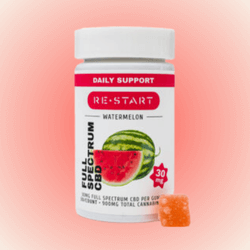
Full-Spectrum: All cannabinoids (including <0.3% THC)
Broad-Spectrum: All cannabinoids except THC
CBD Isolate: Pure CBD, no other cannabinoids
Choose based on your wellness goals and drug-testing concerns.
What Is Delta-8 THC? Is It Safe?
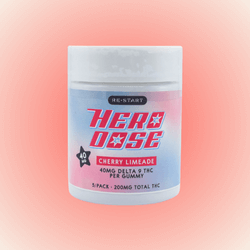
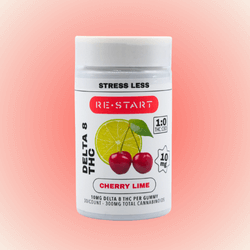
Delta-8 THC is a hemp-derived cannabinoid that provides a mild psychoactive effect, often described as less intense than Delta-9 THC (found in marijuana). It’s in a legal gray area and not as rigorously tested, so source carefully.
How Do I Choose a High-Quality CBD Product?
Look for:
Organic hemp sources
COAs from certified labs
Clear dosage instructions
Reputable brands with transparent ingredient lists
Bonus: Look for companies that support sustainable farming and use clean extraction methods.
How Much CBD Should I Take?
There’s no one-size-fits-all answer, but a common approach is:
Start with 10–20mg/day
Increase gradually until desired effects are felt
Consider body weight, metabolism, and your specific health goals
Always consult with a healthcare professional if you’re unsure.
Final Thoughts: Why Hemp and CBD Education Matters
As the legal and wellness landscapes continue to evolve, consumer education is essential. Whether you’re a new user or a seasoned advocate, staying informed helps you make safe, legal, and effective choices with hemp-derived products.
Ready to Learn More?
Bookmark this blog for future reference, and be sure to subscribe to our newsletter and follow us on Instagram for the latest on hemp, CBD, and cannabis regulation updates, especially in Texas, where legislation is actively evolving.