













Cleaning CBD and THC Vapes: Your Complete Maintenance Guide
Keeping your CBD and THC vapes clean isn’t just about aesthetics. Proper maintenance directly impacts your vaping experience, extending device lifespan while ensuring you get the most from your cannabis products. Whether you’re using disposable cartridges, refillable pods, or dry herb vaporizers, understanding the right cleaning techniques can save you money and enhance your sessions.
Many vapers overlook regular maintenance until their device stops working properly. By then, buildup has often caused permanent damage or significantly reduced performance. The good news is that with the right approach and tools, maintaining your vapes is straightforward and takes just a few minutes of your time.
Why Regular Vape Cleaning Matters
Clean vapes perform better, taste better, and last longer. When residue accumulates in your device, it creates multiple problems that affect your vaping experience. Clogs or leaks can develop when oil sits unused for long periods, leading to wasted product and frustrating sessions.
Residue buildup changes the flavor profile of your CBD or THC products. What should taste like fresh cannabis might develop harsh, burnt, or metallic notes. This residue also restricts airflow, making draws more difficult and less satisfying. Over time, these issues compound, potentially causing permanent damage to heating elements or other internal components.
Clean devices also provide more consistent dosing. When airways are clear and heating elements function properly, you receive more predictable effects from your cannabis products. This consistency becomes especially important for medical users who rely on precise dosing for symptom management.
Understanding Different Vape Types
Before cleaning your device, understanding its specific design helps you choose the right approach. Different vape types require different cleaning methods and schedules.
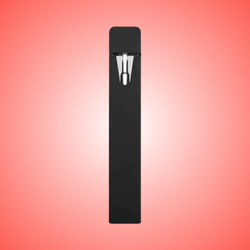
Disposable Cartridges: These pre-filled cartridges attach to rechargeable batteries. While you can’t clean the cartridge interior, maintaining the connection points prevents issues. The mouthpiece can be cleaned by dipping a Q-tip in isopropyl alcohol and meticulously cleaning to remove any resin or debris.
Refillable Pod Systems: These devices feature removable pods that you fill with your own oil or distillate. The pods require regular cleaning between refills, especially when switching between different products or brands.
Dry Herb Vaporizers: These devices heat ground cannabis flower rather than oil. Clearing out the heating chamber after every use can prevent residue buildup, making this type require the most frequent maintenance.
Concentrate Vaporizers: Designed for wax, shatter, or other cannabis concentrates, these devices often feature removable chambers that require thorough cleaning due to the sticky nature of concentrates.
Essential Cleaning Supplies
Having the right tools makes vape maintenance much easier and more effective. You don’t need expensive specialized products, but certain items work better than others for cannabis residue.
Isopropyl Alcohol (91-99%): Higher concentrations work better for dissolving cannabis residue. Lower percentages contain more water, which can damage electronic components or take longer to evaporate.
Cotton Swabs and Q-tips: These reach into small spaces and crevices where residue accumulates. Look for swabs with firm tips that won’t fall apart during cleaning.
Soft Cloths: Lint-free cloths prevent leaving fibers in your device. Microfiber cloths work well for wiping down external surfaces and screens.
Small Brushes: Soft-bristled brushes help remove stubborn residue from heating chambers and other textured surfaces. Some dry herb vaporizers include cleaning brushes.
Paper Towels: Useful for drainage and wiping away dissolved residue. Choose absorbent, low-lint varieties.
Small Containers: For soaking components in alcohol solutions. Glass containers work best as alcohol can dissolve some plastics.
Step-by-Step Cleaning Process
Proper cleaning follows a systematic approach that ensures you don’t miss important areas or damage sensitive components. Always start with a completely cool device and remove the battery if possible.
Disassembly
Disassemble your device to clean each component thoroughly and reach all the nooks and crannies where residue may accumulate. Remove the mouthpiece, cartridge or pod, and any other detachable parts. Keep track of small pieces by organizing them on a clean cloth.
Check your device manual or manufacturer website for specific disassembly instructions. Some devices have particular sequences for removal that prevent damage to threading or electronic connections.
Cleaning the Battery Connection
The battery connection point requires careful attention as residue here affects device performance. Use a dry cotton swab first to remove visible buildup. For stubborn residue, lightly dampen the swab with isopropyl alcohol, being careful not to let liquid drip into the device.
Be sure to wipe any residue off of the piece that connects with the battery. A clean connection ensures proper power transfer and prevents misfiring or poor performance.
Cartridge and Pod Cleaning
For disposable cartridges, focus on the external connections and mouthpiece. Clean the cartridge by wiping it with a soft, lint-free cloth or cotton swab, being gentle to avoid damaging the delicate coil or any other internal parts.
Refillable pods require more thorough cleaning. For liquids, tilt the tank in an upright position over a paper towel to drain. For solid concentrates, apply rubbing alcohol to a cotton swab and scrub away any residue inside the tank.
Deep Cleaning Techniques
When basic cleaning isn’t sufficient, deep cleaning techniques remove stubborn buildup. For a thorough clean, soak the tank in a mixture of rubbing alcohol and water. This method works well for refillable components but never soak electronic parts.
Use a cotton swab or Q-tip dipped in isopropyl alcohol to gently wipe away resin or oil buildup inside the chamber and around the threads. This targeted approach removes residue without oversaturating components.
For concentrate vaporizers, heating the chamber slightly (following manufacturer guidelines) can soften stubborn residue, making removal easier. Always allow complete cooling before applying any cleaning solutions.
Cleaning Schedule and Frequency
How often you clean depends on usage frequency and the type of products you vape. Heavy users should clean more frequently, while occasional users can extend intervals between deep cleanings.
Daily Use: Clean connection points and mouthpieces daily. Perform weekly deep cleans of removable components. Empty and clean dry herb chambers after each session.
Moderate Use (Few Times Weekly): Clean connection points every few days. Deep clean weekly or bi-weekly depending on residue accumulation.
Occasional Use (Weekly or Less): Clean before and after use if the device has been stored. Monthly deep cleaning prevents long-term buildup.
Between Different Products: Always clean when switching between different cannabis products, especially between CBD and THC products, or between different flavor profiles.
Product-Specific Considerations
Different cannabis products leave different types of residue that require adjusted cleaning approaches. Understanding these differences helps you maintain your device more effectively.
Full-Spectrum vs. Isolate Products: Full-spectrum CBD and THC products contain additional cannabinoids and terpenes that can leave more complex residue. These products often require more frequent cleaning than isolate-based products.
High-Viscosity vs. Low-Viscosity Oils: Thicker oils tend to leave more residue, especially in cooler temperatures. These products benefit from slightly more aggressive cleaning techniques.
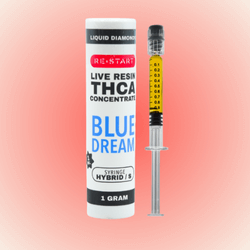
Live Resin and Rosin Products: These products contain more plant compounds and terpenes, creating more complex residue that may require longer soaking times or additional cleaning cycles.
Flavored Products: Artificial flavoring agents can leave unique residue that affects taste when mixing products. Thorough cleaning between flavored and unflavored products prevents taste interference.
Troubleshooting Common Issues
Even with regular cleaning, you might encounter specific problems that require targeted solutions. Understanding these issues helps you address them quickly before they cause permanent damage.
Clogged Mouthpiece: Often caused by thick oil or temperature changes. Gentle warming (body heat or slightly warm water on external surfaces only) can help loosen clogs. Never use sharp objects that might damage internal components.
Poor Vapor Production: Usually indicates residue buildup on heating elements or blocked airways. Focus cleaning efforts on these areas, using cotton swabs dampened with alcohol to gently clean heating surfaces.
Burnt Taste: Can indicate old residue burning during heating. Complete disassembly and thorough cleaning typically resolves this issue. Check that all alcohol has evaporated before reassembly.
Battery Connection Issues: Often caused by residue on connection points. Clean both the battery and cartridge connections, ensuring they’re completely dry before reconnection.
Maintenance Best Practices
Beyond regular cleaning, certain practices help maintain your vaping equipment and reduce cleaning frequency. These habits extend device life and improve your overall experience.
Use high-quality CBD vape oils to reduce residue and avoid clogging. Premium products typically contain fewer impurities that contribute to buildup. While they cost more upfront, they often save money through reduced maintenance and longer device life.
Avoid overcharging the battery to preserve its lifespan. Overcharging can reduce battery capacity and potentially affect heating consistency, which impacts how products vaporize and can increase residue formation.
Don’t let your pen sit unused for long periods with oil in it as this can cause clogs or leaks. If you won’t use your device for extended periods, clean it thoroughly and store it empty.
Store it upright to keep oil from seeping into the mouthpiece. Proper storage prevents many cleaning issues before they start.
Temperature management also affects maintenance needs. Higher temperatures can cause more residue formation, while extremely low temperatures can cause oils to thicken and potentially clog airways. Store devices in moderate temperature environments when possible.
Safety Considerations
Cleaning vapes safely protects both you and your equipment. Always prioritize safety over speed or convenience when maintaining your devices.
Never clean while devices are hot or charged. Allow complete cooling and remove batteries when possible. Isopropyl alcohol is flammable, so keep it away from heat sources and ensure adequate ventilation during cleaning.
Avoid getting alcohol in electronic components or charging ports. If alcohol accidentally contacts these areas, allow complete evaporation before use. When in doubt, wait longer rather than risk damage.
Don’t use harsh chemicals or abrasive materials that might damage device surfaces or create harmful residues. Stick to isopropyl alcohol and gentle mechanical cleaning for best results.
Always ensure components are completely dry before reassembly. Trapped moisture can cause electrical issues or dilute your cannabis products.
Maximizing Your Investment
Quality vaping equipment represents a significant investment, and proper maintenance protects that investment while enhancing your experience. Clean devices provide better flavor, more consistent effects, and longer service life.
Regular maintenance also helps you recognize when devices need replacement. A well-maintained vape that stops performing properly likely needs replacement, while performance issues in poorly maintained devices might simply require cleaning.
Consider keeping a dedicated cleaning kit with your vaping supplies. Having the right tools readily available makes regular maintenance more likely and more effective.
Document your cleaning schedule, especially when trying new products or adjusting frequency. This helps you identify optimal maintenance intervals for your specific usage patterns and products.
For users of Restart CBD’s premium THC and CBD products, proper device maintenance ensures you experience the full quality and potency these carefully crafted products offer. Clean devices allow the complex terpene profiles and cannabinoid ratios to shine through without interference from old residue or contamination.
Professional Maintenance vs. DIY
While most vape maintenance can be handled at home, some situations might warrant professional attention. Complex devices with multiple components or expensive units under warranty might benefit from professional cleaning services.
However, the majority of CBD and THC vapes are designed for user maintenance. The techniques outlined here handle most cleaning needs effectively and safely. Learning these skills saves money and ensures your devices receive attention when needed rather than waiting for professional service.
Conclusion
Maintaining clean CBD and THC vapes requires minimal time investment but provides significant returns in device performance, product taste, and equipment longevity. By following these guidelines and establishing regular cleaning routines, you protect your investment while ensuring optimal vaping experiences.
Remember that different devices and products may require slightly adjusted approaches, but the fundamental principles remain consistent: regular cleaning, appropriate tools, and gentle techniques that preserve device integrity while removing harmful buildup.
Whether you’re using disposable cartridges with simple 510-threaded batteries or complex temperature-controlled devices, these maintenance practices help you get the most from your cannabis products while extending equipment life.
Frequently Asked Questions
How often should I clean my CBD or THC vape?
Cleaning frequency depends on usage patterns and product types. Daily users should clean connection points and mouthpieces daily with weekly deep cleans. Moderate users can clean connection points every few days with bi-weekly deep cleaning. When switching between different products, always clean thoroughly to prevent flavor mixing and ensure optimal performance.
Can I use regular rubbing alcohol to clean my vape?
Yes, but use 91-99% isopropyl alcohol for best results. Higher concentrations dissolve cannabis residue more effectively and evaporate faster, reducing the risk of moisture damage. Lower concentrations work but take longer to evaporate and may not dissolve stubborn buildup as effectively.
What should I do if my vape tastes burnt after cleaning?
Burnt taste after cleaning usually indicates incomplete removal of old residue or insufficient drying time. Disassemble the device again and perform a more thorough cleaning, paying special attention to heating elements and airways. Ensure all alcohol has completely evaporated before reassembly, as residual alcohol can create harsh tastes.
Is it safe to soak my entire vape in alcohol?
Never soak electronic components or complete devices in alcohol. Only soak removable, non-electronic parts like glass or metal tanks, mouthpieces, and similar components. Always remove batteries and avoid getting alcohol in charging ports, electronic connections, or internal circuitry.
How do I know when my vape needs replacement versus just cleaning?
If regular cleaning doesn’t restore performance, taste, or vapor production, replacement might be necessary. Signs that cleaning won’t help include damaged heating elements, cracked components, battery failure, or persistent performance issues after thorough maintenance. Well-maintained devices typically last longer and give clearer signals when replacement is needed versus when cleaning will resolve issues.