



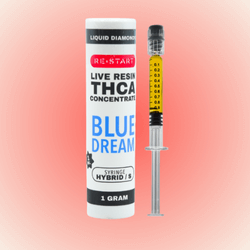
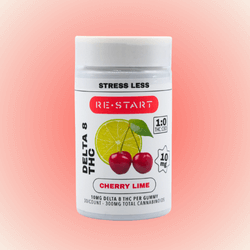
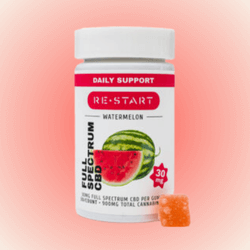
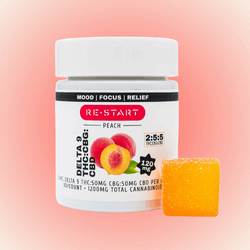









If you’re looking to incorporate THC into your daily routine, THC oil is an easy and accurate way to easily bring the benefits of THC into your life. Whether you are looking to microdose, or simply enjoy the effects of THC, Delta 9 oils can help. THC oil is one of the most versatile cannabis products you can own, and once you understand its properties, you can weave it into your daily routine in surprisingly creative ways. As with any potentially intoxicating subject, check that you have the right Delta 9 THC dosage for you, and start with low dosages if you’re just getting started.
Let’s explore the practical, real-world applications of THC oil that go beyond the basic dropper-under-tongue routine.
Morning Rituals: THC Oil in Your Coffee and Tea
Starting your day with a little THC might sound unconventional, but microdosing in the morning has become increasingly popular for those looking to take the edge off stress without feeling impaired.
The simplest integration? Your morning coffee. Add 2-5mg of THC oil directly to your cup after brewing. The key here is temperature. Exposing cannabinoids to high heat can burn them away, rendering the final product less effective, so let your coffee cool slightly from boiling, or add the oil after you’ve poured it.
The fat content in milk, cream, or even oat milk helps the THC oil blend more smoothly. If you’re drinking black coffee, give it a thorough stir, as the oil might separate and float on top. Some people find that adding their THC oil to a bulletproof-style coffee with butter or MCT oil creates the most consistent blend.
For tea drinkers, the same principles apply. Herbal teas pair particularly well, especially chamomile or mint varieties that complement the earthy notes of cannabis. Add a small amount of honey or a splash of milk to help emulsify the oil. Green tea with a low dose of THC oil (1-3mg) can create an interesting balance between the gentle stimulation of caffeine and the mellowing effects of THC.
One thing to keep in mind: when you consume THC oil in a beverage this way, you’re swallowing it rather than absorbing it sublingually. When mixed into food or drinks, effects can last 6 to 8 hours because of how cannabinoids are digested. This means a longer onset time (typically 45-90 minutes) but also a more sustained experience throughout your day.
Smoothies and Shakes: The Perfect THC Delivery System
Smoothies might be the ideal vehicle for THC oil. The combination of fats from ingredients like avocado, nut butter, or coconut milk helps the cannabinoids integrate smoothly, while the thick texture and strong flavors mask any cannabis taste you might find unpleasant.
A basic THC smoothie formula: blend your favorite fruits, add a protein source (Greek yogurt, protein powder, or silken tofu), include a healthy fat (tablespoon of almond butter, half an avocado, or coconut oil), then add your measured dose of THC oil right before blending.
The blending process distributes the oil evenly throughout the smoothie, so each sip contains a consistent amount. This is particularly helpful if you’re making a large smoothie and drinking it over the course of an hour.
Post-workout shakes work especially well. THC tinctures are great in smoothies, and adding 5-10mg to a protein shake after exercise can support relaxation during recovery. The protein and carbs you’re already consuming provide the perfect environment for cannabinoid absorption.
For those focusing on wellness, try a green smoothie with spinach, banana, mango, coconut water, hemp seeds, and 3-5mg of THC oil. The hemp seeds add omega fatty acids that complement the cannabinoids, while the fruit sweetness balances any botanical flavors.
Cooking and Baking: Where THC Oil Gets Tricky
Here’s where you need to pay attention, because heat and THC oil have a complicated relationship.
The cannabinoids in your THC oil have already been activated (decarboxylated) during the extraction process. This means they’re ready to work without additional heat. Using tinctures in cooking is risky because exposing the cannabinoids to high heat can burn away the THCl.
So what does this mean practically? Forget about adding THC oil to your brownie batter before baking at 350°F. The oven heat will degrade much of the THC, leaving you with expensive, barely-effective brownies. You can still utilize THC in baking where temperatures are below 340°F, but there may still be some degradation.
To get around this issue, you can use THC oil as a finishing ingredient. Make your brownies, cookies, or banana bread as usual. Once they’ve cooled, create a simple glaze by mixing powdered sugar with a bit of milk and your THC oil. Drizzle this over the baked goods. Now you’ve got infused treats without destroying the cannabinoids.
The same principle applies to savory cooking. Don’t add THC oil to a pan of sautéing vegetables or a pot of simmering soup. Instead, use it in preparations that don’t involve heat:
Salad dressings: Whisk THC oil into a vinaigrette along with olive oil, balsamic vinegar, Dijon mustard, and herbs. The oil disperses throughout the dressing, and each serving of salad delivers a consistent dose.
Pasta finishes: Toss cooked, cooled pasta with a sauce that includes THC oil. A simple aglio e olio (garlic and oil) preparation works beautifully. Let the cooked pasta cool to just warm, then toss with garlic-infused olive oil and add your measured THC oil at the end.
Hummus and dips: Blend THC oil into room-temperature hummus, guacamole, or ranch dip. The creamy texture and strong flavors mask the cannabis taste, and you can control portions by serving with measured amounts.
Pesto and sauces: Make your favorite pesto or chimichurri and stir in THC oil after blending. Use it on sandwiches, as a marinade for already-cooked proteins, or as a dip.
Overnight oats: Add THC oil to overnight oats that have already been refrigerated. Mix it in with nut butter or coconut cream for better integration.
For desserts beyond baked goods, THC oil works wonderfully in no-bake recipes. Mix it into the cream cheese layer of a no-bake cheesecake, stir it into chocolate ganache after it’s cooled, or incorporate it into energy balls made from dates, nuts, and cocoa powder.
Beverages Beyond Coffee: Creative Drink Applications
THC-infused cocktails and mocktails have become increasingly sophisticated. The mixology world has discovered that cannabis and craft beverages pair beautifully when done right.
For cocktails, fatty ingredients help. A White Russian or Mudslide (cream-based cocktails) integrates THC oil seamlessly. Add your dose to the cream component before mixing. Shaken cocktails with citrus juices can work, though you’ll need to shake vigorously to emulsify the oil, and it may still separate over time.
An easier approach: infused simple syrup. Make your simple syrup as usual (equal parts sugar and water, heated until dissolved), let it cool completely, then stir in your THC oil. This infused syrup can be used in any cocktail, iced tea, or lemonade. The sugar helps the oil disperse more evenly than adding it directly to water-based drinks.
Hot chocolate represents another perfect application. The combination of milk and chocolate creates an ideal fat environment for THC oil. Make your hot chocolate, let it cool to drinking temperature, then stir in your dose. Top with whipped cream for extra decadence.
For a wellness-focused approach, golden milk (turmeric latte) with THC oil combines anti-inflammatory benefits from turmeric with the relaxation effects of cannabis. Heat milk with turmeric, ginger, cinnamon, and a touch of black pepper. Let it cool slightly, blend in coconut oil and honey, then add your THC oil.
Sports and recovery drinks work too. If you’re an avid lover of fun drinks, enjoy tea every evening, or have coffee all day, there’s almost definitely a drink you can incorporate your THC into. Mix THC oil into a post-workout electrolyte drink, or add it to a protein shake for evening recovery.
One note about alcohol: combining THC and alcohol amplifies both substances. If you’re making THC-infused cocktails, keep both the alcohol and THC doses lower than you might use separately.
Massage and Topical Applications: External Use of THC Oil
This application surprises people, but THC oil makes an excellent addition to massage oils and topical treatments. Cannabis topicals get absorbed through your skin and interact with your skin’s receptors in that area.
Here’s what makes this interesting: when applied topically, THC doesn’t enter your bloodstream in significant amounts, so you won’t get the psychoactive effects you’d experience from consuming it. Instead, you get localized interaction with cannabinoid receptors in your skin and muscles.
For a basic massage oil, mix THC oil with a carrier oil at about a 1:4 ratio. Good carrier options include:
Coconut oil: Solid at room temperature, melts with body heat, deeply moisturizing.
Jojoba oil: Light texture, absorbs quickly, good for all skin types.
Sweet almond oil: Traditional massage choice, glides smoothly.
Arnica oil: Already used for muscle soreness, pairs well with THC for targeted relief.
Add a few drops of essential oils if you want (lavender for relaxation, peppermint for cooling sensation, eucalyptus for invigoration), then massage into sore muscles, stiff joints, or areas of tension.
For smaller targeted applications, mix a few drops of THC oil into unscented lotion. Keep this in a small container and apply to specific areas as needed throughout the day. This works particularly well for hand or foot massage before bed.
Some people create warming balms by melting beeswax and coconut oil together, cooling slightly, then adding THC oil and essential oils like ginger or black pepper before it solidifies. These firmer balms work well for very targeted application and can be less messy than liquid oils.
The experience differs significantly from oral consumption. Effects stay localized to where you apply the product, and while some users report relief from discomfort or tension, others find it simply makes massage more relaxing. Your mileage will vary.
Skincare and Beauty Applications
Beyond massage, THC oil has found its way into beauty routines. Cannabis contains compounds that some research suggests may have skin benefits, though more study is needed.
For facial skincare, use THC oil sparingly and always mix it with other products. Add a single drop to your night moisturizer, or mix it into a face mask. The anti-inflammatory properties might benefit certain skin types, though if you have sensitive skin, patch test first on a small area.
Body lotions and butters benefit from THC oil addition. Make or buy a rich body butter (shea butter-based formulas work well), and mix in THC oil at a rate of about 1-2 drops per ounce of butter. This creates a luxurious product for dry skin areas like elbows, knees, and feet.
Bath enthusiasts can create THC-infused bath oils. Mix THC oil with Epsom salts and a dispersing agent like polysorbate 80 (which helps oil mix into water), along with essential oils for scent. Add this to your bath for a relaxing soak. The warm water helps the oils absorb, and while you might absorb some THC transdermally, the primary benefit comes from the ritual and relaxation.
Evening Wind-Down Applications
As the day ends, THC oil can be incorporated into your nighttime routine in ways that promote relaxation and better sleep.
The classic approach: herbal tea. Brew a cup of chamomile, valerian, or passionflower tea, let it cool slightly, add honey and a splash of milk, then stir in 5-10mg of THC oil. Sip this 45 minutes before bed. Effects can last 6 to 8 hours when consumed in drink, which works perfectly for maintaining sleep through the night.
For those who enjoy treats before bed, THC oil can be added to a small serving of ice cream or yogurt. Mix it thoroughly into a small bowl (the fat content helps it integrate), and enjoy as an evening dessert. Products from Restart CBD’s sleep collection might include cannabinoid combinations specifically formulated for rest.
Some people create a bedtime ritual that combines topical and oral consumption. Start with a foot or hand massage using THC-infused oil, then take a small oral dose in warm milk or tea. This combination of physical relaxation and internal effects can be particularly effective for those with trouble settling down at night.
Mixing THC Oil with Other Cannabis Products
Here’s where you can get creative. THC oil doesn’t exist in isolation, and many people find that combining it with other products creates their ideal experience.
Add THC oil to your morning Delta-9 THC beverages for an extra boost. Or use it alongside CBD gummies to fine-tune your cannabinoid ratio. The oil gives you precise control that you can’t get from pre-dosed products alone.
Some people keep a bottle of THC oil on hand to enhance other products. Got a cannabis flower that’s not quite strong enough? You can’t smoke THC oil in the traditional sense, but you could take a supplemental dose orally before your session.
For those using vape products, adding a small oral dose of THC oil extends the duration of effects. Vaping provides quick onset but shorter duration, while oral consumption offers the opposite. Combining them creates both immediate and sustained relief.
Practical Dosing Considerations for Different Uses
Since consumption method affects onset time and intensity, your dose should vary based on how you’re using the oil:
In coffee or tea (morning use): 2-5mg for functional daytime effects. Sublingual effects typically last 4 to 6 hours, while effects can last 6 to 8 hours when mixed into food or drinks, so morning doses will carry into early afternoon.
In smoothies or food (afternoon/evening): 5-10mg if you want noticeable effects for the rest of your day or evening.
In evening beverages or desserts: 10-15mg for sleep support, taken 60-90 minutes before bed to account for digestion time.
Topical applications: Dosing is less critical since you won’t experience psychoactive effects. Use enough to cover the area you’re treating, typically requiring more oil than oral doses.
Remember that when you consume THC oil in food or drinks, it takes longer for your body to process it than sublingual use. Factor this into your timing.
Getting Creative: Unexpected Applications
People have discovered some genuinely creative uses for THC oil that deserve mention:
Popcorn topping: Make stovetop or air-popped popcorn, drizzle with melted butter mixed with THC oil, and toss with salt. Movie night, elevated.
Infused honey: Mix THC oil into raw honey at room temperature. This creates a multipurpose ingredient you can add to tea, spread on toast, or drizzle over yogurt. The honey helps the oil disperse and adds its own benefits.
Compound butter: Mix softened butter with herbs, garlic, and THC oil, then re-form and refrigerate. Use this on warm bread, melted over vegetables, or as a finishing touch for steaks.
Energy bites: Those no-bake energy balls made from dates, nuts, and oats work perfectly. Mix the THC oil into the nut butter component before combining everything.
Homemade gummies: While this requires some effort, mixing THC oil into homemade gelatin gummies gives you complete control over flavor, shape, and dose. Just add the oil after the gelatin mixture has cooled to avoid heat degradation.
Quality Matters for All Applications
Regardless of how you’re using your THC oil, starting with a quality product makes a difference. When browsing Restart CBD’s oils and capsules, look for products with clear labeling, third-party lab testing, and cannabinoid profiles that match your goals.
Some tinctures are flavored, which works better for some applications than others. Mint-flavored oil might be perfect in tea but weird in salad dressing. Unflavored options give you the most versatility across different uses.
Check whether you’re working with an oil-based or alcohol-based tincture, as oil-based tinctures are smoother and easier for digestion when consumed in food and drinks.
Final Thoughts
The beauty of THC oil lies in its versatility. Unlike smoking or vaping, which offers essentially one mode of consumption, or edibles that come pre-dosed, THC oil adapts to your lifestyle. Whether you’re adding it to your morning coffee, mixing it into a post-workout smoothie, creating a custom massage oil, or finishing a homemade pasta dish, you’re working with a product that bends to your preferences rather than the other way around.
Start simple with one or two applications that appeal to you, master those, then expand your repertoire. Keep notes on what works and what doesn’t. Your perfect THC oil routine might look completely different from someone else’s, and that’s exactly the point.
Ready to explore different THC oil products and find the right fit for your lifestyle? Check out Restart CBD’s full selection to discover options ranging from different potencies to various cannabinoid combinations designed for specific effects.
Frequently Asked Questions
Technically yes, but some drinks work better than others. Beverages with fat content (milk, cream, nut milks) help THC oil integrate more smoothly than water-based drinks. When adding to water, juice, or clear beverages, shake or stir vigorously, and expect some separation. The oil will still work, but distribution won't be perfectly even. Hot beverages need to cool below boiling before adding THC oil to prevent heat degradation of cannabinoids.
High heat (above 300-350°F) will degrade THC significantly. Baking at typical oven temperatures destroys much of the cannabinoid content. However, gentle warming is generally fine. Adding THC oil to soup that's cooled to eating temperature, or mixing it into warm (not boiling) beverages works without major potency loss. The rule: if it's too hot to immediately eat or drink comfortably, it's probably too hot for your THC oil.
Calculate based on the number of servings and desired dose per serving. If you're making a batch of cookies that yields 12 cookies and want each to contain 5mg THC, you need 60mg total. Check your tincture's concentration (usually listed as mg/mL), then calculate how many milliliters to add. Mix the oil thoroughly into wet ingredients before combining with dry to ensure even distribution. Keep in mind that homemade edibles can have hot spots with inconsistent dosing.
While topical application doesn't produce psychoactive effects, some THC can potentially be absorbed through the skin in trace amounts. Most standard drug tests won't detect the minimal amounts from topical use, but if you're subject to regular testing for employment or legal reasons, err on the side of caution. Drug testing policies vary, and there's no guaranteed safe approach when THC is involved, even in legal hemp-derived products.
Absolutely. Many people find that combining THC and CBD creates their ideal effects, with CBD potentially moderating some of THC's intensity. You can add THC oil to CBD tinctures to create custom ratios, or consume them together in different forms. For example, take a CBD gummy from Restart CBD's gummies collection and supplement with a precise dose of THC oil. This gives you flexibility to adjust ratios based on your needs for any given day. Just track your total cannabinoid intake to understand what works best for you.