















Sleep Gummies with THC

Why THC Sleep Gummies are Becoming More Popular
More people are choosing THC infused sleep gummies to help them sleep. While traditional medications can work, they often come with side effects such as morning grogginess, headaches, memory problems, and addictiveness. Milder solutions such as melatonin can also help, but some people find that they simply are not enough to deal with sleeping issues including insomnia.
Unlike traditional sleep aids, THC gummies work with your body’s natural endocannabinoid system to promote relaxation and drowsiness. Many formulations also include complementary cannabinoids like CBD (cannabidiol) and CBN (cannabinol) to enhance their sleep-inducing effects while potentially reducing unwanted side effects.
The appeal of sleep gummies lies in their precise dosing, long-lasting effects, and pleasant taste. Rather than smoking or vaping, which can be harsh on the lungs and provide unpredictable effects, gummies offer a measured approach to cannabis consumption that many find more comfortable and controllable.
How THC Affects Sleep Patterns
THC interacts with your brain’s sleep-wake cycle through the endocannabinoid system, which plays a crucial role in regulating sleep, mood, and other physiological functions. When you consume THC, it binds to CB1 receptors in the brain, particularly in areas responsible for sleep regulation.
Research shows that THC can help reduce the time it takes to fall asleep, known as sleep onset latency. This effect occurs because THC has sedating properties that help quiet an overactive mind and relax tense muscles, making it easier to transition from wakefulness to sleep.
THC also affects your sleep architecture, the natural progression through different sleep stages throughout the night. Studies indicate that THC can increase the amount of time spent in deep sleep (slow-wave sleep), which is the most restorative phase of the sleep cycle. This deep sleep stage is when your body repairs tissues, consolidates memories, and releases important hormones.
However, THC can also suppress REM sleep, the stage associated with vivid dreams and important cognitive functions. While this might seem concerning, many people with sleep disorders actually benefit from reduced REM sleep, especially those experiencing nightmares or REM sleep behavior disorders.
The timing of THC consumption matters significantly for sleep outcomes. Gummies typically take 30 minutes to 2 hours to take effect due to digestion and liver processing, so planning your dosage timing becomes crucial for optimal sleep benefits.
The Science Behind Sleep Gummies with THC
Recent scientific research has begun to validate what many cannabis users have long reported: THC can be an effective sleep aid when used appropriately. A double-blind, randomized, placebo-controlled study found that individuals receiving 20 mg CBN demonstrated reduced nighttime awakenings and overall sleep disturbance relative to placebo, with no impact on daytime fatigue.
While this study focused on CBN, many sleep gummies combine multiple cannabinoids for enhanced effects. The entourage effect theory suggests that cannabinoids work better together than in isolation, which is why many manufacturers create full-spectrum products that include THC, CBD, and CBN.
In a recent sleep study, participants achieved an extra 72 minutes of sleep per night when ingesting a combination of CBN, CBD, and THC. The results also showed that people felt more rested, less anxious, and achieved higher quality sleep.
The mechanism behind THC’s sleep-promoting effects involves several pathways. THC activates the CB1 receptors in brain regions that control sleep and wakefulness, including the hypothalamus and brainstem. This activation can slow down racing thoughts, reduce anxiety, and create the physical relaxation necessary for sleep onset.
Additionally, THC may help address underlying causes of sleep problems. For individuals whose insomnia stems from chronic pain, anxiety, or PTSD, THC can provide relief from these root causes while simultaneously promoting sleep through direct sedative effects.
The metabolites of THC also play a role in sleep effects. When processed by the liver, THC converts into 11-hydroxy-THC, which is more potent and longer-lasting than the original compound. This is why edibles like gummies tend to provide more sustained sleep benefits compared to inhaled cannabis.
Benefits of THC Sleep Gummies
Precise Dosing Control
One of the most significant advantages of THC sleep gummies is the ability to control your dose with precision. Each gummy contains a predetermined amount of THC, allowing you to start with a low dose and gradually increase until you find your optimal amount. This predictability is especially valuable for new users who need to understand their tolerance levels.
Many users find that their ideal sleep dose is much lower than what they might use for recreational purposes. Starting with 2.5mg to 5mg of THC often provides sufficient sleep benefits without overwhelming psychoactive effects the next morning.
Extended Duration of Effects
Unlike inhaled cannabis, which typically lasts 2-3 hours, THC gummies can provide sleep benefits for 6-8 hours or longer. This extended duration means you’re more likely to stay asleep throughout the night rather than waking up when the effects wear off.
The slow release of THC through digestion creates a sustained level of the compound in your bloodstream, which aligns well with the natural sleep cycle. This consistency helps maintain the relaxed state needed for quality sleep without the peaks and valleys that can occur with other consumption methods.
Reduced Sleep Anxiety
Many people with insomnia experience anxiety about their inability to fall asleep, creating a cycle where worry about sleep makes sleep even more elusive. THC’s anxiolytic (anti-anxiety) properties can help break this cycle by reducing the mental chatter and worry that keeps people awake.
The calming effects of THC can help quiet an overactive mind, making it easier to let go of the day’s stresses and transition into sleep. This is particularly beneficial for people whose sleep problems stem from stress, anxiety disorders, or racing thoughts at bedtime.
Pain Relief for Better Sleep
Chronic pain is one of the most common causes of sleep disruption. THC has well-documented analgesic (pain-relieving) properties that can help reduce pain levels enough to allow comfortable sleep. This dual benefit addresses both the symptom (pain) and the consequence (insomnia) simultaneously.
For individuals with conditions like arthritis, fibromyalgia, or chronic back pain, THC sleep gummies can provide the pain relief needed to find comfortable sleeping positions and maintain sleep throughout the night.
Convenience and Discretion
Sleep gummies offer a convenient, discreet way to consume THC without the smell, equipment, or preparation required for other methods. They’re portable, shelf-stable, and look like regular candy, making them easy to incorporate into your bedtime routine without drawing attention.
This discretion can be particularly valuable for people who live in shared spaces or travel frequently. Unlike smoking or vaping, gummies don’t require any special equipment or produce telltale odors.
Understanding Different Cannabinoid Combinations
THC and CBD Combinations
Many sleep gummies combine THC with CBD to create a more balanced effect profile. CBD can help temper some of THC’s more intense psychoactive effects while contributing its own calming properties. This combination often results in relaxation without excessive intoxication.
The ratio of THC to CBD matters significantly in determining the overall experience. A 1:1 ratio tends to provide gentle relaxation with minimal psychoactive effects, while higher THC ratios increase the sedating effects but may also increase the likelihood of feeling “high.”
THC, CBD, and CBN Blends
CBN has gained particular attention as a sleep-promoting cannabinoid. Often called the “sleepy cannabinoid,” CBN is created when THC ages and breaks down. One small study found that 20 mg of CBN at bedtime reduced waking up during the night or other sleep disturbances, though it didn’t improve sleep onset time.
Products that combine all three cannabinoids aim to provide comprehensive sleep support: THC for sedation, CBD for anxiety reduction and balance, and CBN for sleep maintenance and reducing nighttime awakenings.
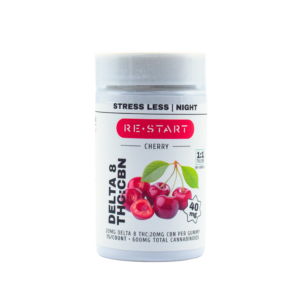
Restart CBD offers several products that take advantage of these cannabinoid combinations. Their Delta 8 THC CBN 40MG Gummies combine Delta-8 THC with CBN to create what they describe as “an extremely comfortable and relaxed body-focused feeling” that’s perfect for deep, restful sleep.
Understanding Delta-8 vs. Delta-9 THC for Sleep
Delta-9 THC is the most well-known form of THC, but Delta-8 THC has become increasingly popular for sleep applications. Delta-8 produces similar effects to Delta-9 but tends to be less intense and anxiety-inducing while still providing effective sedation.
Many users report that Delta-8 provides a clearer-headed relaxation that doesn’t interfere with morning cognitive function as much as Delta-9. This makes it an attractive option for people who need to function normally the next day.
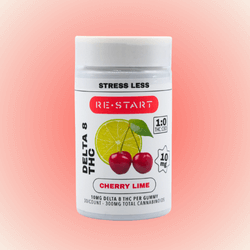
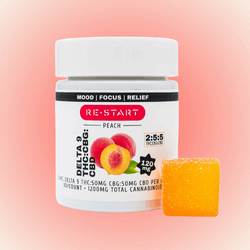
Restart CBD’s Delta 9 THC microdose Gummies 5mg offer a low-dose option for those who want the benefits of traditional Delta-9 THC without overwhelming effects. These can be particularly useful for people who are sensitive to THC or new to cannabis products.
Dosing Guidelines for Sleep Gummies
Starting Doses for New Users
If you’re new to THC sleep gummies, starting with the lowest possible dose is crucial for both safety and effectiveness. Begin with 2.5mg of THC, which is often half of a standard gummy. Take this dose 1-2 hours before your desired bedtime to account for the onset time.
Wait at least two hours before considering additional dosing, as edibles can take significant time to reach full effect. Many new users make the mistake of taking more when they don’t feel immediate effects, leading to uncomfortable experiences and poor sleep quality.
Keep a sleep journal during your first few weeks of use, noting the dose taken, time of consumption, time to fall asleep, sleep quality, and how you feel the next morning. This information will help you identify your optimal dose and timing.
Adjusting Doses Over Time
Once you’ve established that a starting dose is well-tolerated, you can gradually increase by 2.5mg increments every few days until you find your sweet spot. Most people find their ideal sleep dose falls between 2.5mg and 15mg of THC, though individual needs vary significantly.
Pay attention to morning grogginess, as this often indicates the dose was too high or taken too late in the evening. The goal is to wake up feeling refreshed rather than sluggish. If you experience morning grogginess, try reducing the dose or taking it earlier in the evening.
Some people find they need to periodically adjust their dose as they develop tolerance or as their sleep needs change due to stress, health conditions, or lifestyle factors. This is normal and expected with regular use.
Timing Your Dose for Optimal Results
The timing of your THC gummy consumption significantly impacts its effectiveness for sleep. Since gummies typically take 30 minutes to 2 hours to take effect, plan accordingly based on your desired bedtime.
For most people, taking a sleep gummy 1-2 hours before bed works well. This allows the THC to begin taking effect as you’re winding down for the night, creating a natural transition to sleepiness.
Consider your dinner timing as well, as eating a large meal can delay the absorption of THC and extend the time to feel effects. Taking gummies on a relatively empty stomach (2-3 hours after eating) often results in more predictable timing.
Potential Side Effects and Considerations
Common Short-Term Effects
While THC sleep gummies are generally well-tolerated, some users may experience side effects, particularly when starting out or taking too high a dose. Common short-term effects include dry mouth, red eyes, increased appetite, and mild dizziness or disorientation.
Morning grogginess is perhaps the most commonly reported issue with THC sleep products. This “cannabis hangover” can occur if the dose was too high, taken too late, or if you’re particularly sensitive to THC’s lingering effects. Starting with low doses and proper timing usually minimizes this issue.
Some people may experience increased anxiety or paranoia, especially with higher doses. This is why starting low and going slow is so crucial. If you’re prone to anxiety, consider products with higher CBD content to help counteract THC’s anxiety-inducing potential.
Long-Term Considerations
Regular use of THC for sleep can lead to tolerance, meaning you may need higher doses over time to achieve the same effects. To minimize tolerance development, consider taking occasional breaks from THC use or rotating between different products and doses.
Dependency is another consideration with regular THC use. While not as problematic as dependency on prescription sleep medications, some people may find it difficult to sleep without THC after extended use. This psychological dependency is generally manageable but worth considering as part of your long-term sleep strategy.
Sleep architecture changes can occur with regular THC use, particularly the suppression of REM sleep mentioned earlier. While this isn’t necessarily harmful for most people, it may affect dream recall and certain cognitive functions associated with REM sleep.
Drug Interactions and Medical Considerations
THC can interact with various medications, particularly those that affect the central nervous system. If you take prescription sleep aids, anxiety medications, blood thinners, or seizure medications, consult with a healthcare provider before using THC sleep gummies.
People with certain medical conditions should exercise extra caution with THC products. These include individuals with heart conditions, respiratory problems, mental health disorders, or liver problems. Pregnant and breastfeeding individuals should avoid THC products entirely.
Age considerations are also important. Older adults may be more sensitive to THC’s effects and should start with even lower doses. The metabolism of THC can slow with age, leading to longer-lasting effects.
Legal Considerations and Quality Assurance
Understanding Legal Status
The legal status of THC products varies significantly by location and is constantly evolving. In states where recreational cannabis is legal, THC sleep gummies are typically available at licensed dispensaries. In states with only medical cannabis programs, you may need a medical marijuana card to purchase these products.
Hemp-derived Delta-8 and Delta-10 THC products exist in a legal gray area in many states, as they’re derived from federally legal hemp but still contain psychoactive compounds. Always check your local and state laws before purchasing or using any THC products.
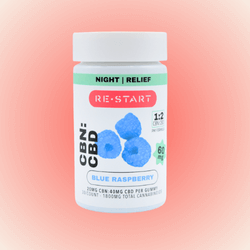
Restart CBD operates within the legal framework for hemp-derived products, offering options like their CBN CBD 60MG Gummies NO THC for customers in areas where THC products aren’t legal but who still want sleep-supporting cannabinoids.
Quality and Testing Standards
When choosing THC sleep gummies, quality and testing should be top priorities. Reputable manufacturers provide third-party lab testing results (Certificates of Analysis) that verify the cannabinoid content and screen for contaminants like pesticides, heavy metals, and residual solvents.
Look for products that clearly state the exact amount of THC per gummy and per package. This information should be consistent across the product label, website description, and lab testing results. Avoid products with vague descriptions like “contains THC” without specific dosing information.
Manufacturing practices matter significantly for both safety and effectiveness. Products made in FDA-registered facilities using Good Manufacturing Practices (GMP) are more likely to be consistent, safe, and effective than those made in unregulated environments.
Comparing Sleep Gummies to Other THC Products
Gummies vs. Tinctures
THC tinctures offer faster onset times (15-45 minutes when held under the tongue) compared to gummies but typically don’t last as long. Tinctures also allow for more precise dose adjustments, as you can easily modify the amount drop by drop.
However, many people prefer gummies for their taste, convenience, and discrete nature. Tinctures can have a strong cannabis flavor that some find unpalatable, and they require more careful measurement to ensure consistent dosing.
Gummies vs. Smoking or Vaping
Inhaled THC takes effect within minutes but typically only lasts 2-3 hours, which may not provide sufficient coverage for a full night’s sleep. Many people who smoke or vape for sleep find themselves waking up in the middle of the night when the effects wear off.
Gummies provide the extended duration needed for sleep maintenance, though the slower onset requires more planning. Some people use a combination approach, using a small amount of inhaled THC for quick onset followed by a low-dose gummy for sustained effects.
Gummies vs. Capsules
THC capsules offer similar duration and discretion to gummies but without the added sugars and flavorings. However, capsules can be harder to dose precisely, especially for people who need doses smaller than what’s available in capsule form.
Gummies can be easily cut in half or quarters for dose adjustment, making them more flexible for finding your optimal dose. They’re also generally more appealing to people who have difficulty swallowing pills.
Creating an Effective Sleep Routine with THC Gummies
Integrating Gummies into Sleep Hygiene
THC sleep gummies work best when combined with good sleep hygiene practices. Create a consistent bedtime routine that includes taking your gummy at the same time each night, ideally 1-2 hours before you want to fall asleep.
Establish a relaxing pre-sleep environment by dimming lights, avoiding screens for at least an hour before bed, and keeping your bedroom cool and comfortable. The THC will be most effective when your environment supports natural sleepiness.
Consider combining your gummy with other relaxation techniques like gentle stretching, meditation, or reading. These activities can help prepare your mind and body for sleep while the THC takes effect.
Managing Tolerance and Effectiveness
To maintain the effectiveness of THC sleep gummies over time, consider implementing tolerance breaks or cycling between different products. Taking 2-3 days off from THC each week can help prevent tolerance buildup while still providing sleep benefits most nights.
Rotating between different cannabinoid combinations can also help maintain effectiveness. You might use a THC-only product some nights, a THC-CBD combination other nights, and occasionally incorporate CBN-containing products.
Keep track of what works best under different circumstances. You might find that stress levels, diet, exercise, or other factors influence how THC affects your sleep, allowing you to adjust accordingly.
Combining with Other Natural Sleep Aids
Many people find that THC gummies work even better when combined with other natural sleep aids. Melatonin, magnesium, chamomile tea, or valerian root can complement THC’s effects and may allow you to use lower doses while achieving better results.
However, be cautious about combining multiple sedating substances, especially when starting out. Begin with just the THC gummy to establish your baseline response, then carefully add other sleep aids if needed.
Restart CBD’s Sleep Product Offerings
Restart CBD provides several options for customers seeking sleep support through cannabinoid products. Their sleep-focused product line recognizes that different people have different needs and preferences when it comes to sleep aids.
For customers who want THC-containing products, Restart CBD offers their Delta 8 THC CBN 40MG Gummies, which combine the gentle effects of Delta-8 THC with the sleep-promoting properties of CBN. These products are designed to provide “peaceful, relaxing, deep sleep” while allowing users to “wake up feeling rested and ready for anything.”
For those in areas where THC isn’t legal or who prefer non-psychoactive options, their CBN CBD 60MG Gummies provide sleep support through CBN and CBD without any THC content. These gummies contain 40mg of CBD and 20mg of CBN, offering a potent combination for those seeking sleep benefits without intoxication.
Restart CBD also offers lower-dose options like their Delta 9 THC microdose Gummies 5mg, which provide a gentler introduction to THC for sleep. These products can be particularly useful for people who are sensitive to THC or new to cannabis products.
The company emphasizes starting with low doses and adjusting gradually, providing clear guidance on their product pages about proper usage. They recommend cutting gummies in half or smaller pieces for lower doses and stress the importance of individual experimentation to find the right dose for each person’s needs.
Frequently Asked Questions
How long do THC sleep gummies take to work?
THC sleep gummies typically take 30 minutes to 2 hours to take effect, depending on factors like your metabolism, when you last ate, and your individual body chemistry. The effects can last 6-8 hours or longer, making them well-suited for maintaining sleep throughout the night. For best results, take your gummy 1-2 hours before your desired bedtime to allow adequate time for onset.
Can I build tolerance to THC sleep gummies?
Yes, regular use of THC products can lead to tolerance, meaning you may need higher doses over time to achieve the same sleep benefits. To minimize tolerance development, consider taking occasional breaks from THC use (tolerance breaks), rotating between different products, or using the lowest effective dose rather than increasing unnecessarily. Many people find that taking 2-3 days off per week helps maintain effectiveness.
Are THC sleep gummies safe to use every night?
While many people use THC sleep gummies regularly without significant problems, daily use isn’t recommended for everyone. Regular use can lead to tolerance, potential dependency, and changes in natural sleep patterns. Consider using them as part of a broader sleep hygiene strategy rather than as your sole solution to sleep problems. Consult with a healthcare provider if you’re considering daily use, especially if you have underlying health conditions or take other medications.
What’s the difference between Delta-8 and Delta-9 THC for sleep?
Delta-9 THC is the traditional, more potent form of THC found in cannabis, while Delta-8 THC is chemically similar but tends to produce milder, less anxiety-inducing effects. Many users report that Delta-8 provides effective relaxation and sleep benefits with less morning grogginess and fewer side effects than Delta-9. Delta-8 may be a good option for people who find Delta-9 too intense or who experience anxiety with traditional THC products.
How do I know if I took too much THC in my sleep gummy?
Signs that you’ve taken too much THC include feeling overly intoxicated, experiencing anxiety or paranoia, having difficulty with coordination, or waking up with significant grogginess that persists for several hours. If you take too much, stay calm, hydrate well, and rest in a comfortable environment. The effects will wear off, though it may take several hours. To prevent this in the future, start with lower doses (2.5mg or less) and increase gradually over time. Remember that you can always take more, but you can’t take less once you’ve consumed a gummy.
-
Select options This product has multiple variants. The options may be chosen on the product page

HIGH DOSE